Lilac is having a moment in interiors, and it’s a far cry from the sugary pastel purple you might remember.
Today’s lilacs are softer, more muted and much more sophisticated, with shades ranging from cool, dusty tones through to warmer, more nostalgic hues. Used thoughtfully, lilac can bring a beautiful sense of calm and character to a room without feeling overwhelming.
It’s also surprisingly versatile. From cosy living spaces and bedrooms to kitchens and dining areas, the right shade of lilac can completely transform the feel of a room.
So, if you’ve never considered lilac for your home, now might be the time to take another look.
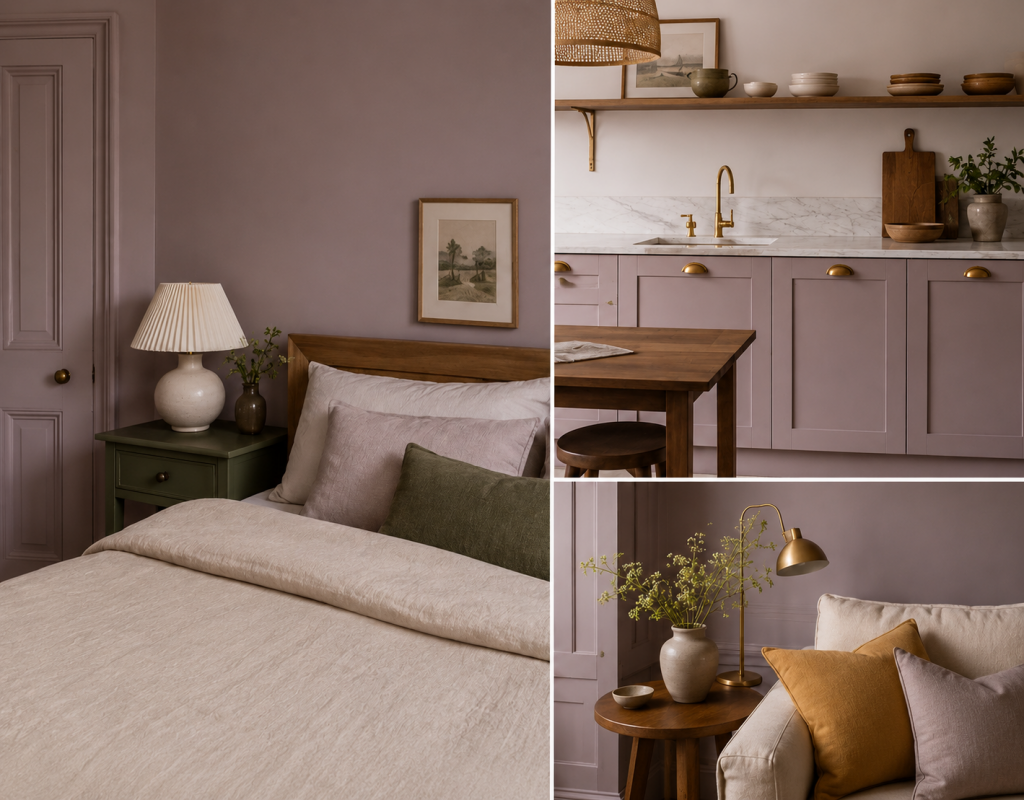
Why Lilac Works So Well in Interiors
Colour can have a huge impact on how a room feels, and lilac is one of those shades that can change character depending on what you pair it with.
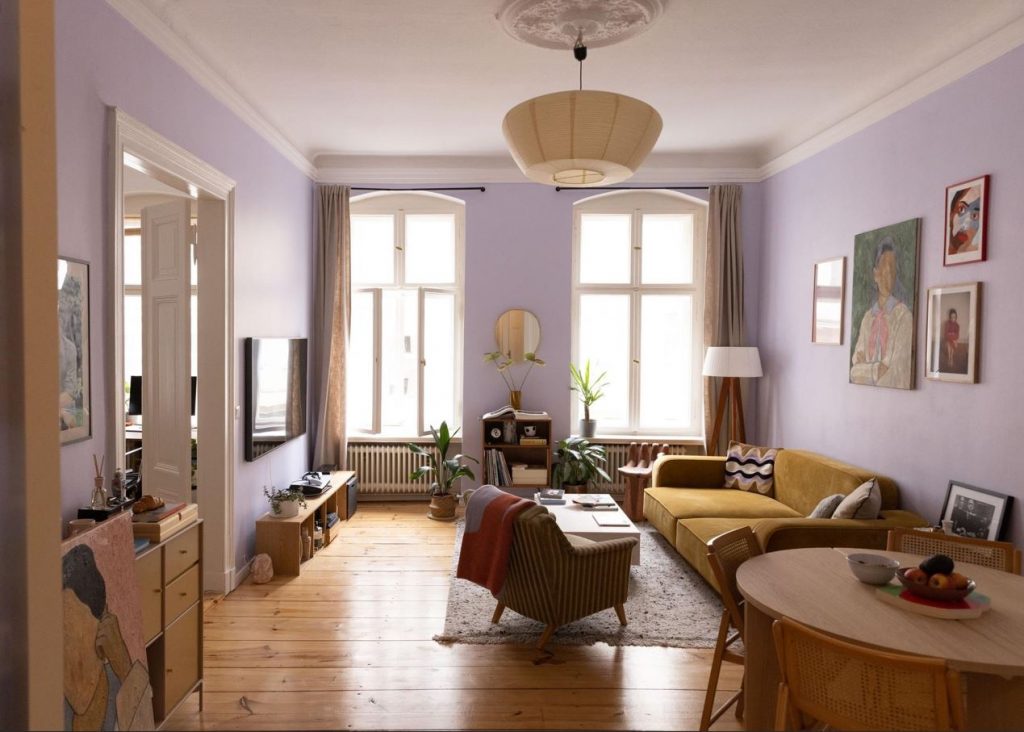
Cooler lilacs can feel fresh and calming, while warmer, dustier shades create a more welcoming and sophisticated atmosphere. It’s this versatility that makes lilac such an interesting colour to work with.
Rather than using it in isolation, think about the other colours, materials and textures in the room. Warm woods, natural fabrics, earthy tones and soft creams can all help to create a beautifully balanced scheme.
And you don’t need to go all out. A lilac wall or ceiling, a painted piece of furniture or carefully chosen accessories can be enough to introduce this beautiful colour into your home.
Dirty Lilac: Perfect for Cosy Spaces
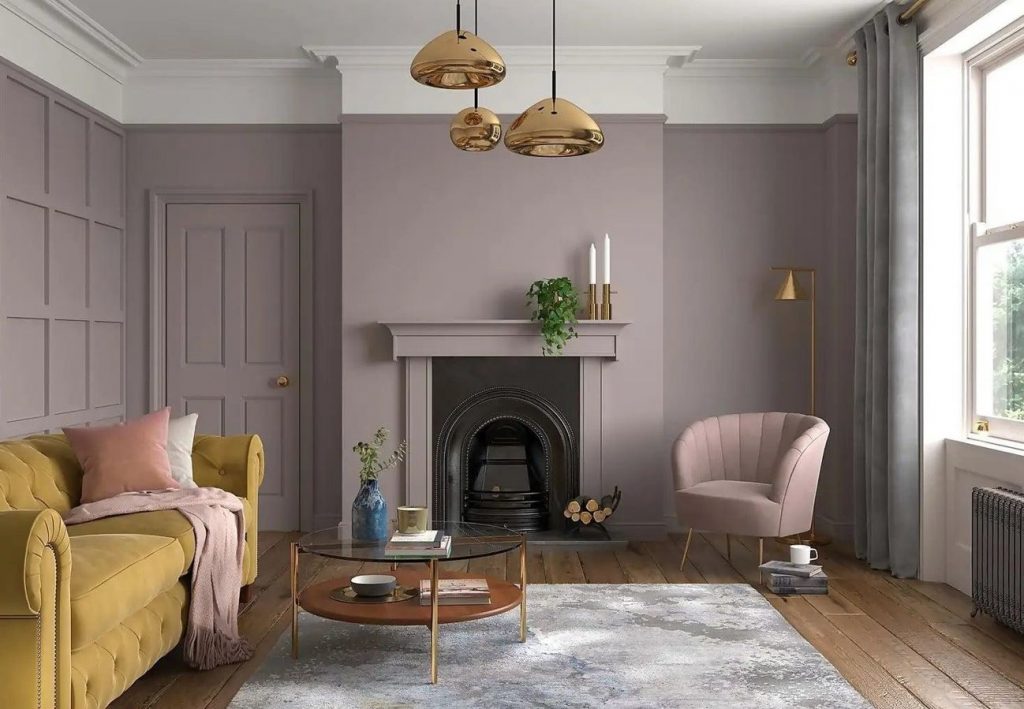
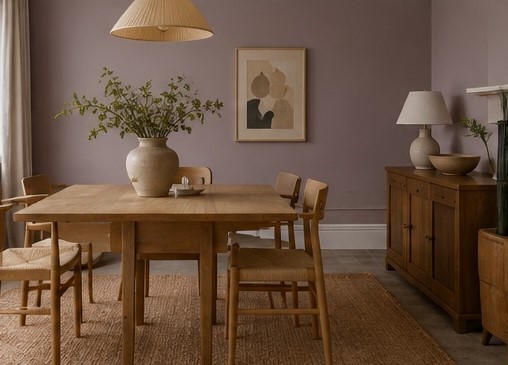
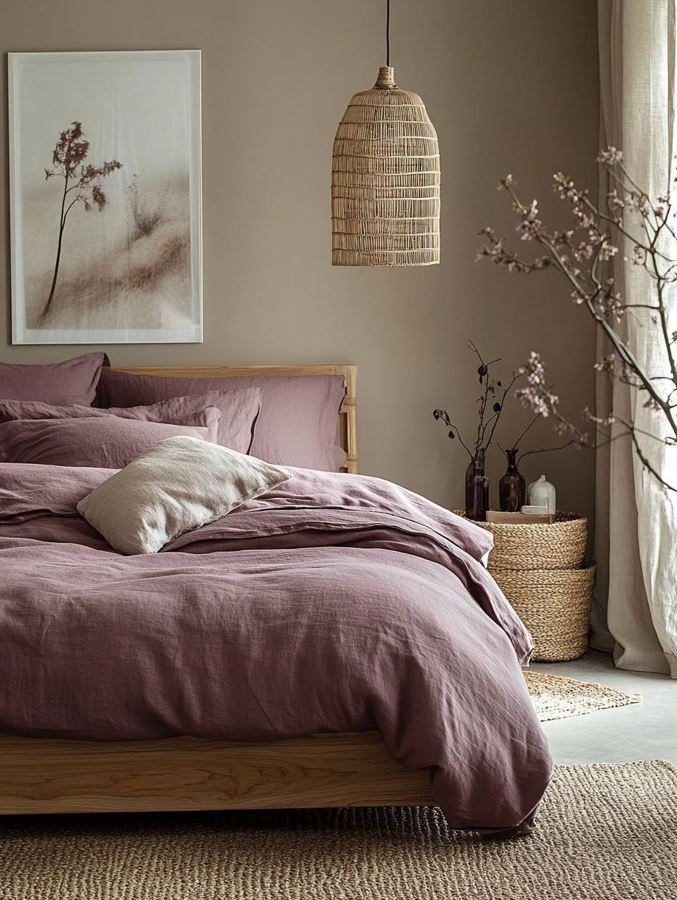
If you love a room that feels warm, cocooning and inviting, a dusty or dirty lilac could be the perfect choice.
With heavier grey and earthy undertones, this type of lilac feels much more grown-up than a traditional pastel. It works particularly well in living rooms, reading nooks, snug spaces and bedrooms where you want to create a sense of comfort.
These deeper, muted shades can absorb light beautifully, helping to create an intimate atmosphere that feels both relaxed and sophisticated.
Try pairing dirty lilac with rich walnut woods, sandy yellows, warm creams or clay-inspired reds. Layering in plenty of natural textures, such as linen, wool, boucle and timber, will help to create a scheme that feels considered but still comfortable.
Nostalgic Lilac: A Beautiful Choice for Kitchens
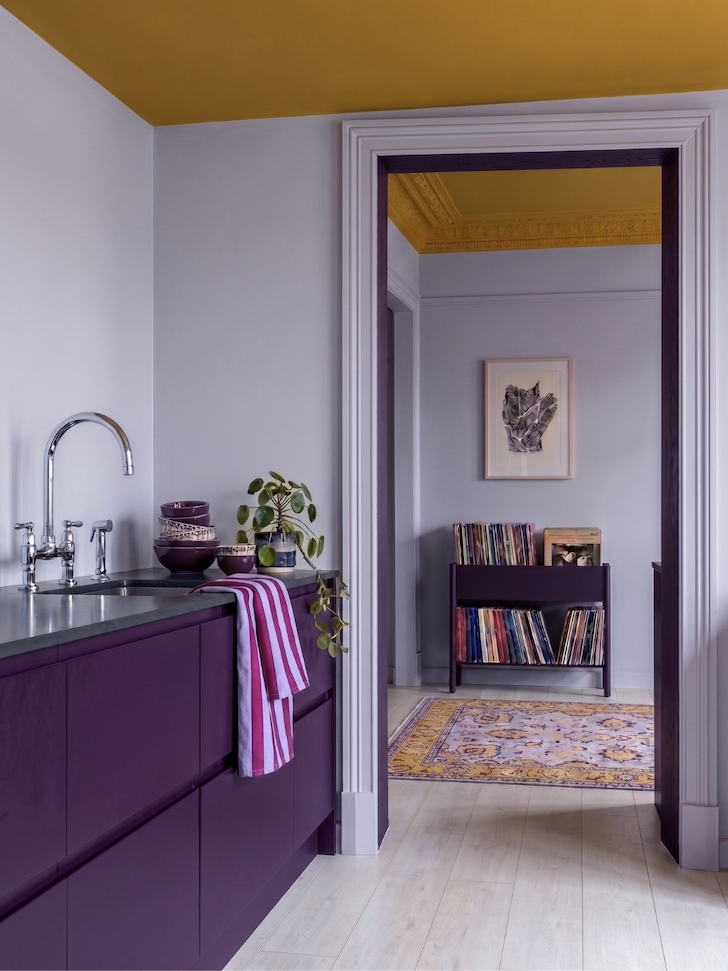
For something a little different, why not consider lilac in the kitchen?
A warm, nostalgic lilac can bring a subtle vintage feel to the heart of the home. It offers a lovely alternative to the more familiar white, cream and green kitchen schemes, while still feeling timeless and easy to live with.
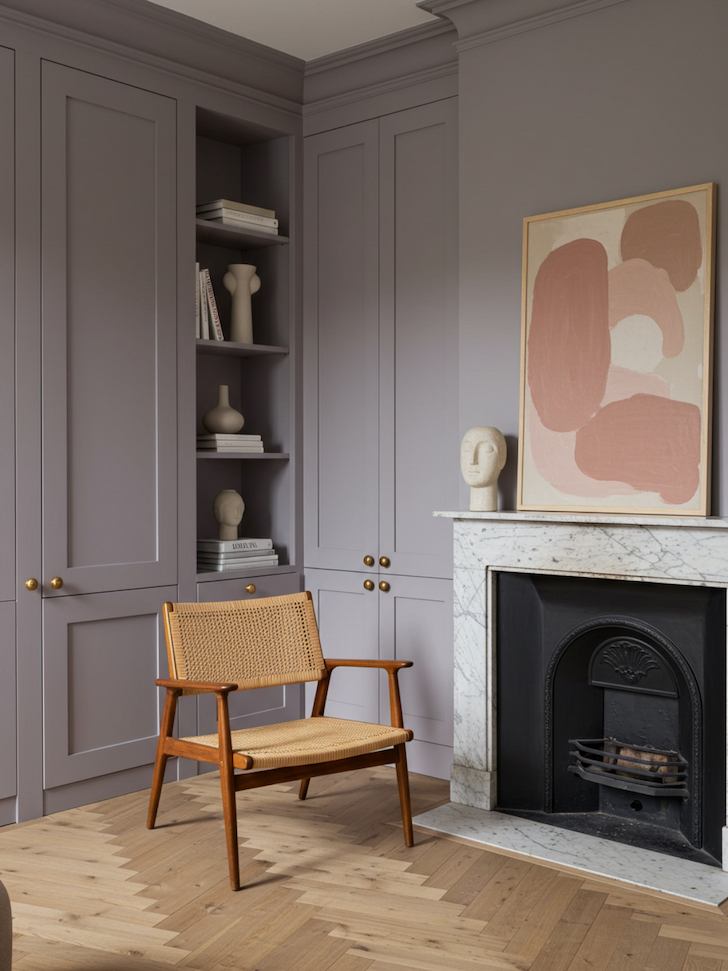
Used on kitchen cabinetry, lilac can add personality without overpowering the space. Pair it with warm timber, natural stone, aged brass or brushed metal for a relaxed and characterful look.
It works particularly well in traditional or Shaker-style kitchens, where the colour can enhance the sense of craftsmanship and character.
And don’t forget about the dining area. A warm lilac backdrop can create a welcoming space for everything from everyday family meals to entertaining friends.
How to Style Lilac
One of the best things about lilac is how many colours work beautifully alongside it.
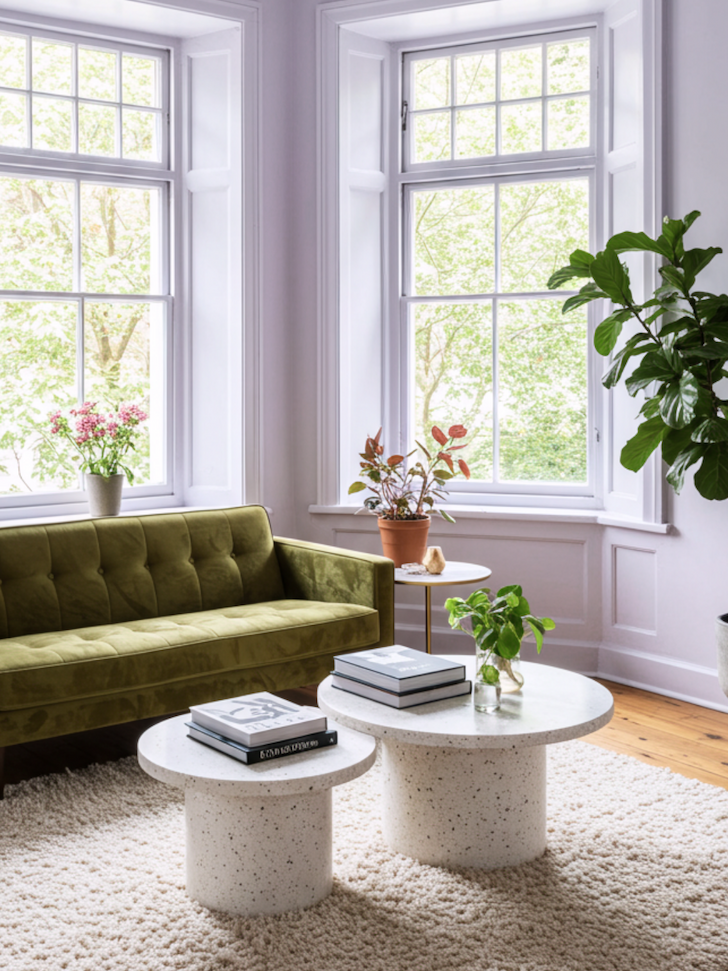
For a soft and calming scheme, combine lilac with warm whites, creams and natural beige tones. This creates a light and effortless feel without losing personality.
For something more earthy, try sage or olive green. The combination of green and lilac brings together two nature-inspired shades and can create a beautifully balanced interior.
If you want a little more energy, introduce soft yellow or ochre. The contrast can be surprisingly sophisticated, particularly when the shades are muted rather than overly bright.
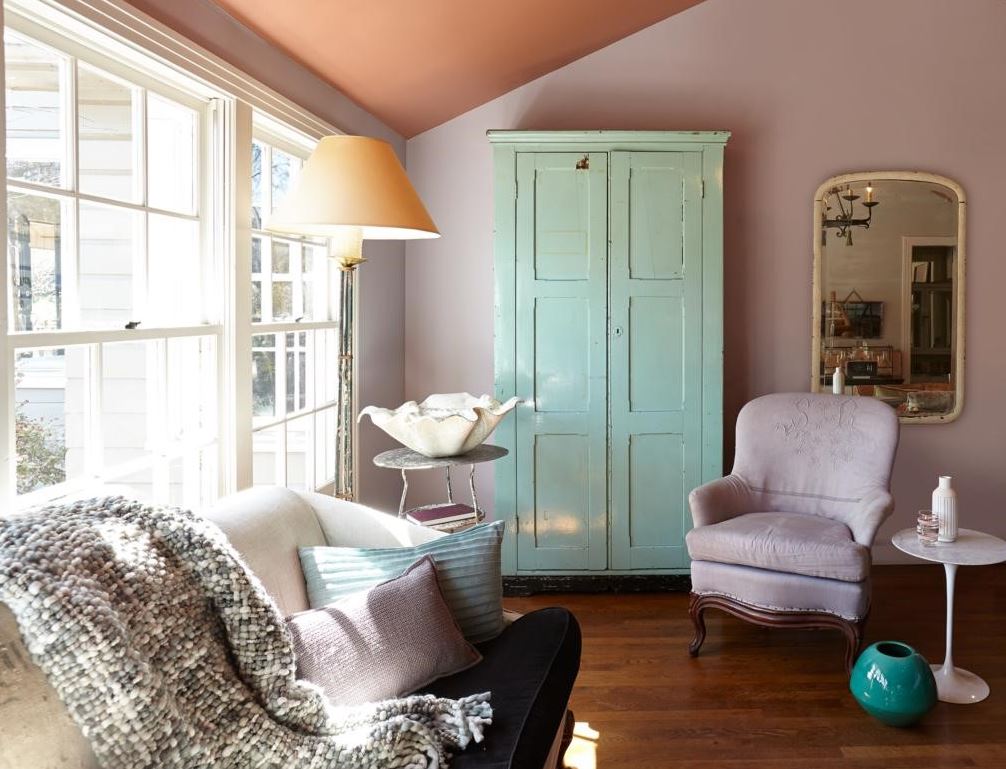
For a richer, more dramatic look, consider terracotta, clay or deeper burgundy tones. These warmer colours add depth and stop lilac from feeling too delicate.
And, of course, don’t forget texture. Natural wood, woven fabrics, linen, soft rugs and tactile upholstery can all help to bring a lilac scheme to life.
Where to Use Lilac in Your Home
There really isn’t a room where lilac can’t work, but some spaces lend themselves particularly well to this versatile colour.
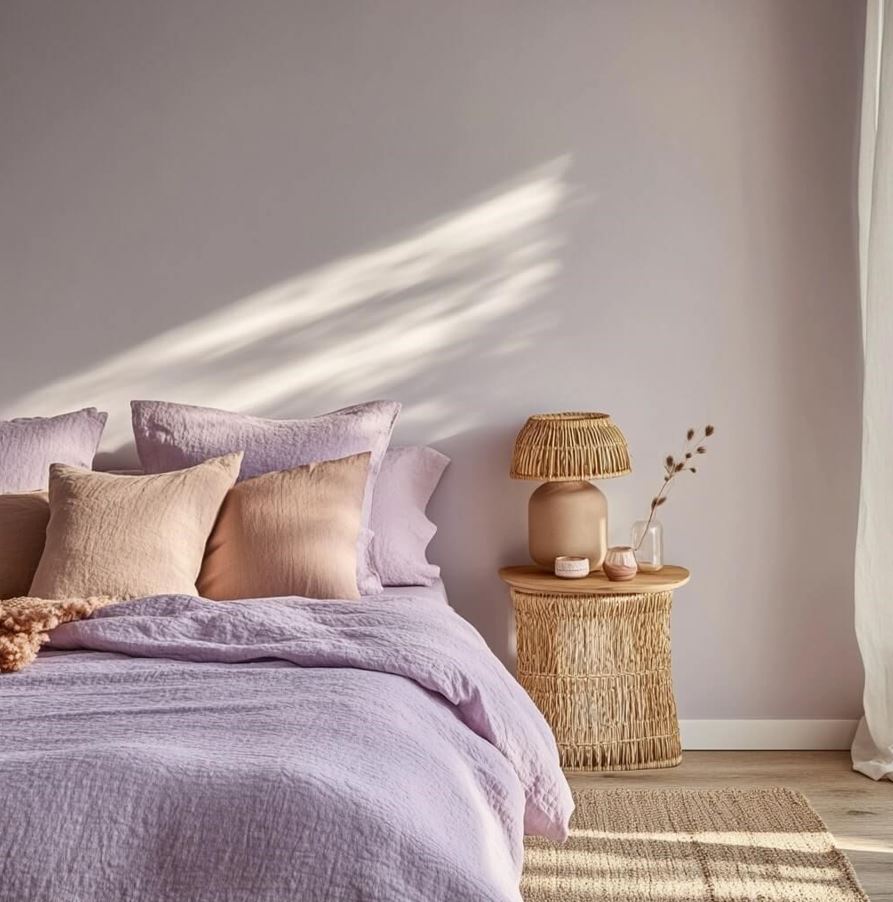
Bedrooms: Softer lilacs can create a calm and restful atmosphere, especially when combined with warm whites and natural fabrics.
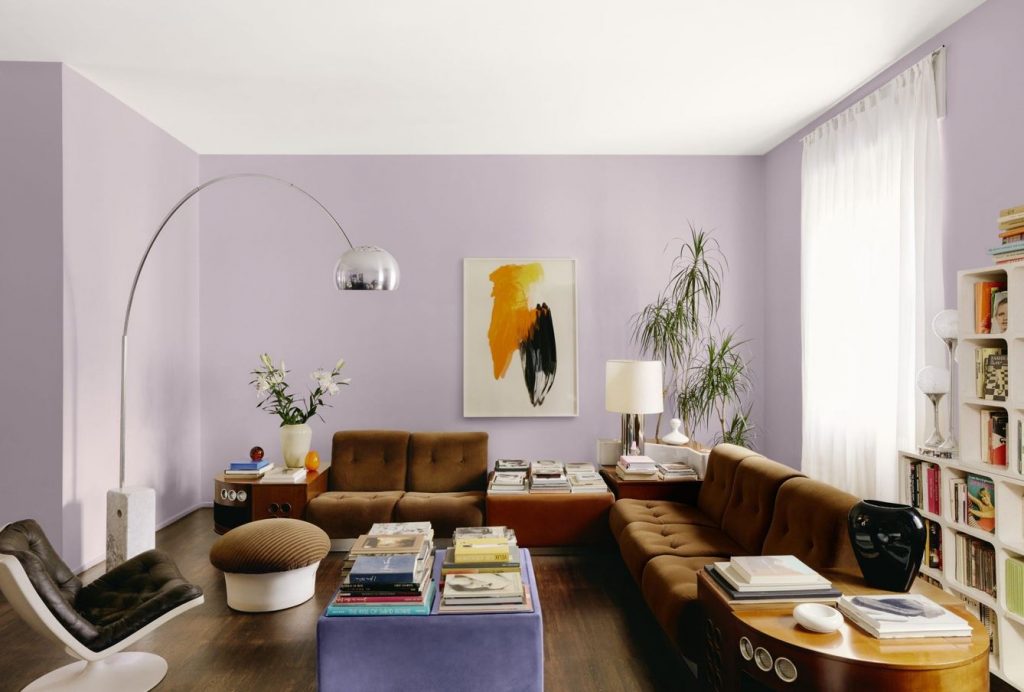
Living rooms: A deeper, dusty lilac can make a living room feel cosy and sophisticated, particularly when paired with timber and layered textures.
Kitchens: Warm lilac cabinetry can bring personality and character to a kitchen while still feeling timeless.
Dining rooms: A richer lilac shade can create an inviting backdrop and works beautifully with warm lighting and natural wood.
Smaller spaces: Don’t be afraid to use colour in hallways, snug spaces or little reading corners. These are often the perfect places to experiment with a shade you might not be ready to use throughout a larger room.
Don’t Be Afraid to Experiment With Colour
If you’re tempted to introduce lilac into your home but aren’t quite ready to commit to painted walls or cabinetry, start small.
Try introducing the colour through cushions, artwork, lampshades, curtains or other decorative accessories. This can be a great way to see how the shade works with your existing furniture and, importantly, how it changes throughout the day as the natural light moves around the room.
If you do fall in love with it, be brave. Colour can be incredibly effective when used confidently, and painting a whole room in a beautiful, muted lilac can create a much more immersive and sophisticated result than using it sparingly.
The key is finding the right shade for your space.
So, if you’re looking for a colour that feels fresh, characterful and a little unexpected, perhaps it’s time to give lilac another look. Contact us today to find out how we can help bring your vision to life.
Lilac shades featured are from Yes Colour paint.









Leave a Reply